This guide is a purchase-planning reference for US ductless heat pump buyers. It separates the information an online listing can document from decisions that require the exact manufacturer manual and a qualified HVAC professional. We have not installed or physically tested the products in our catalog. Keep the selected indoor and outdoor model numbers together throughout your research; broad family names, lifestyle photographs and nominal capacity labels do not establish that a particular arrangement is right for your home.
An operating limit is not a heating guarantee
A mini split listing may advertise an impressively low operating temperature. That statement alone does not tell you how much heat it can deliver at that point or whether it can meet your home's load. Equipment can remain operational while its available capacity differs from the nominal label. Ask for exact-model heating performance at the outdoor design temperature used in the load calculation. Keep capacity and efficiency separate in that discussion. A heating plan must answer both whether enough output is available and how the system is expected to operate, rather than relying on a single endpoint in marketing text.
For the related decision, read Mini Split Installation: Questions Before You Order and keep those requirements alongside this checklist.
Match local design conditions to the building
Winter selection begins with the building load and local design assumptions. Two houses in the same town can need different equipment because of insulation, glazing, leakage, layout and renovation history. Ask the contractor to document room-by-room heating requirements and explain any retained heating source. A floor-area claim from an online listing does not include those inputs. If the mini split is only supplemental, make that role explicit; if it is the main source, the consequences of an interruption or capacity shortfall deserve separate planning. Do not let a summer cooling shortlist silently become the whole winter heating design.
For the related decision, read Mini Split Electrical Requirements: Buyer Checks and keep those requirements alongside this checklist.
Verify cold-climate evidence for the exact system
ENERGY STAR publishes information about cold-climate heat pumps and verified performance requirements. Use that as a path to exact product records, not as permission to assume every model from a participating brand qualifies. Record both indoor and outdoor identifiers and, for multi-zone equipment, the approved combination. Ask the installer to provide the documents actually used for selection. Certification, manufacturer tables and seller descriptions are different evidence types; label them accordingly. This site does not independently certify any product or turn a seller's cold-weather phrase into a measured output claim. An unresolved model mismatch should be resolved before ordering.
For the related decision, read Mini Split Maintenance: An Owner Planning Checklist and keep those requirements alongside this checklist.
Discuss defrost and the outdoor location
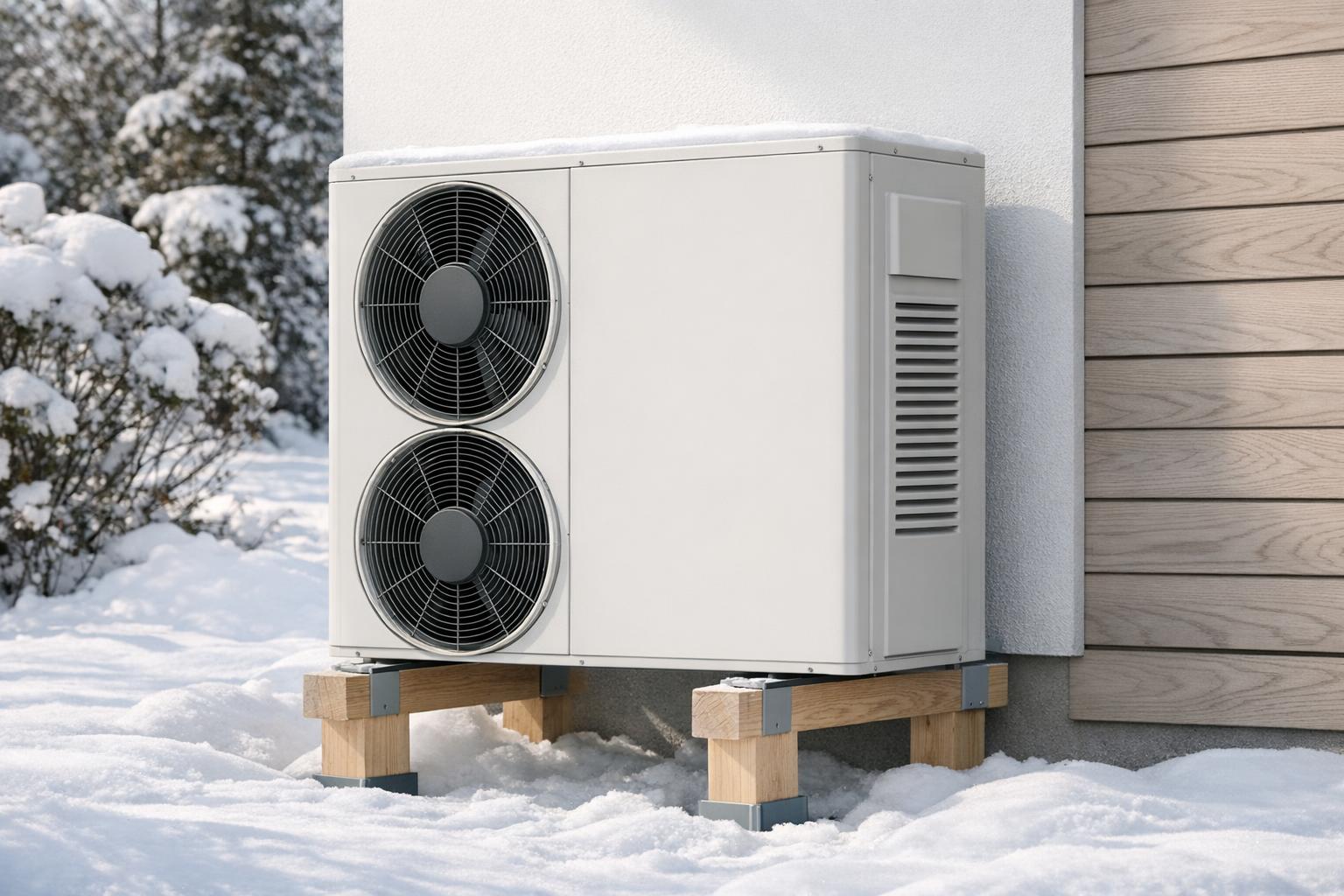
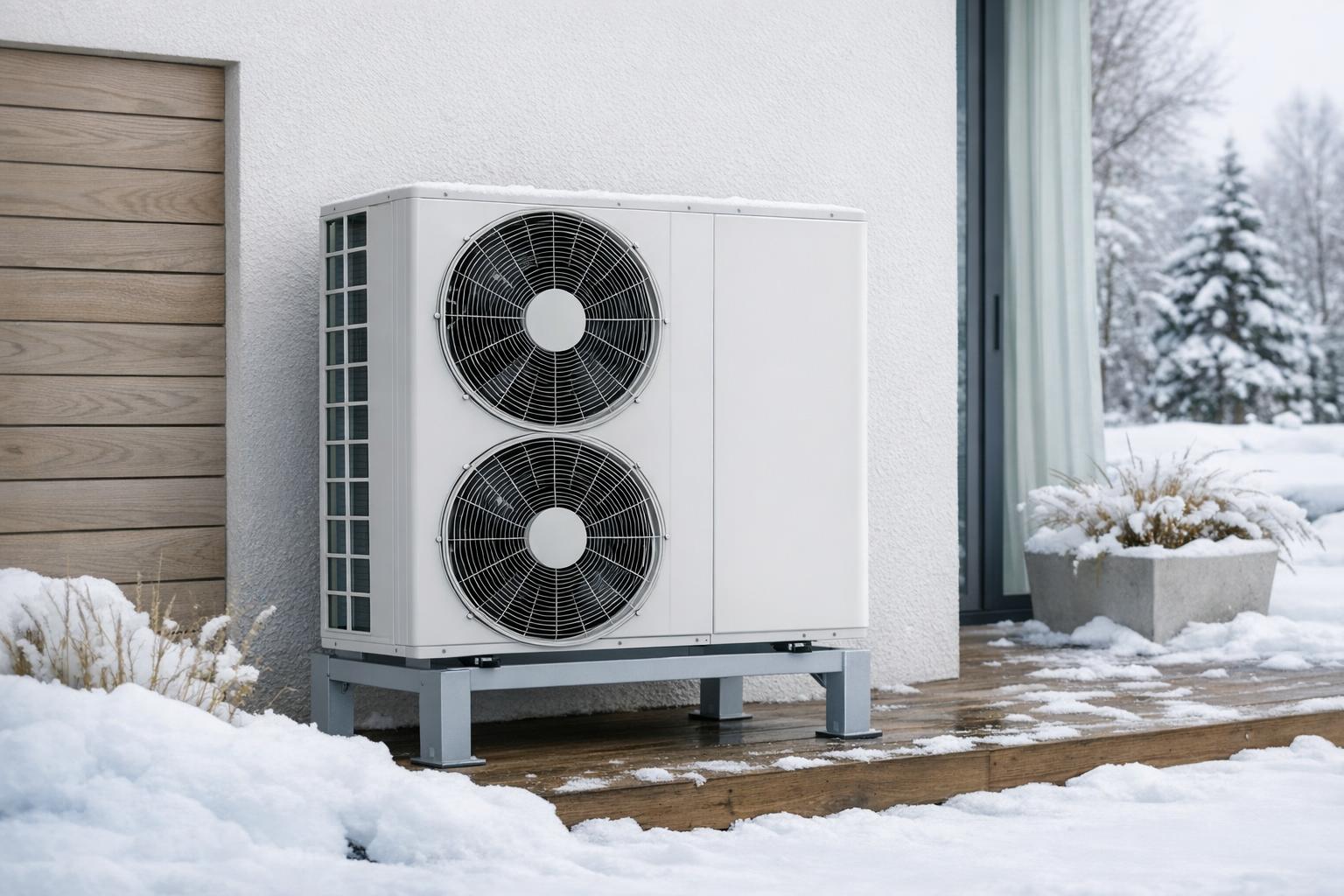
Air-source equipment interacts with winter weather, and the installation design must account for its outdoor environment. Ask the contractor how snow accumulation, drainage, defrost water and access for service are handled at your property. Do not choose a location only because it hides the condenser from view. The exact manual and local conditions govern mounting and clearances; this guide intentionally does not provide dimensions or a construction procedure. Keep walkways and neighboring property in the planning conversation. A photograph of a condenser in snow is an editorial illustration, not proof that a particular mounting arrangement meets the manufacturer's requirements.
Keep backup and controls in the same plan
If another heating system remains, ask how the controls coordinate and who is responsible for setting them up. Backup is not merely a second appliance listed on a proposal; its intended role and activation conditions should be understood by the household. Discuss what happens during service downtime as well as unusual weather. Heat pumps also depend on electricity, so an outage plan is a separate question from low-temperature capability. Do not infer emergency operation from a wide operating range. Any electrical backup arrangement requires qualified advice and equipment designed for that purpose, not an improvised connection based on a product guide.
Evaluate local support before winter arrives
A strong specification sheet cannot replace service availability. Confirm that a qualified local contractor will install and maintain the exact system, especially if you plan to purchase it online. Ask about warranty registration, parts support and labor coverage without assuming that brand recognition answers those questions. Keep performance documents, commissioning records and contact details together. After installation, use the manufacturer instructions and contractor guidance for operation, and report persistent comfort or fault issues rather than attempting refrigerant or electrical repairs. Our review-backed comparisons organize listing evidence; they do not establish that a system will meet your home's winter load or replace a professional heating design.
Questions to keep with your shortlist
Before following a purchase link, write down the exact configuration, the document supporting its suitability, the installer who accepts the equipment and any unanswered question from this guide. Check the selected variation, included items, current seller and return terms on Amazon. If an answer changes the design, resolve it before ordering rather than relying on a favorable review to fill the gap. Equipment offers and stock are time-sensitive; our displayed values disappear when their captured validity ends.